English
 français
 русский
 español
 português
 العربية
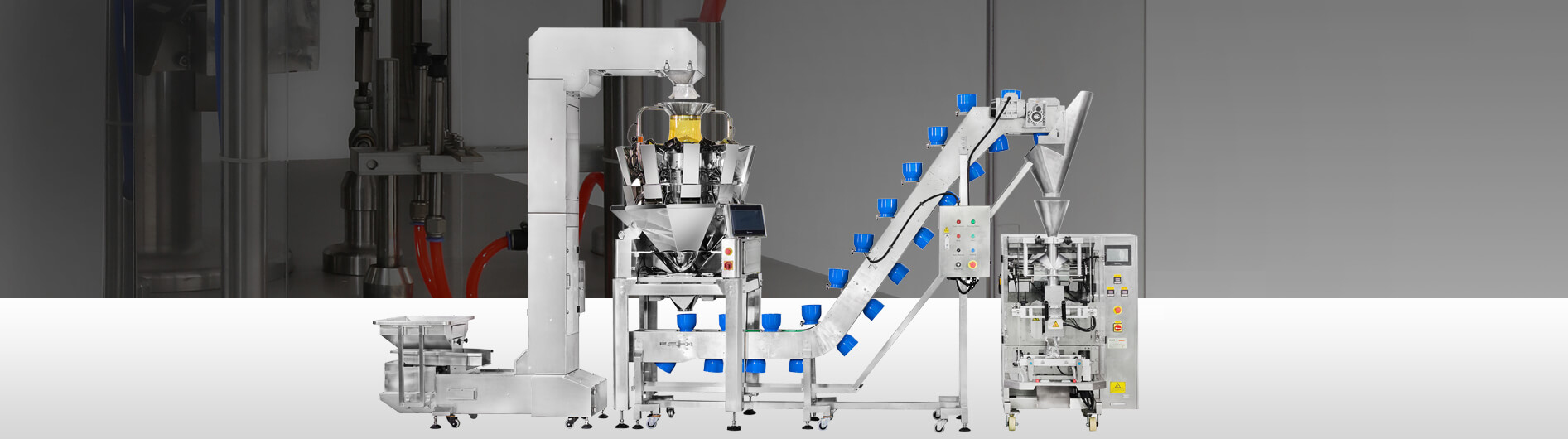
In automated weighing and packaging systems, material buckets may look like a small component, but their surface design can have a significant impact on material flow and weighing performance. Two common options are dimpled surface buckets and smooth surface buckets.
So, what is the difference between them, and which one is better for your product?
What Is a Dimpled Surface Material Bucket?
A dimpled surface bucket has a textured or slightly uneven inner surface. The small dimples increase friction between the material and the bucket surface.
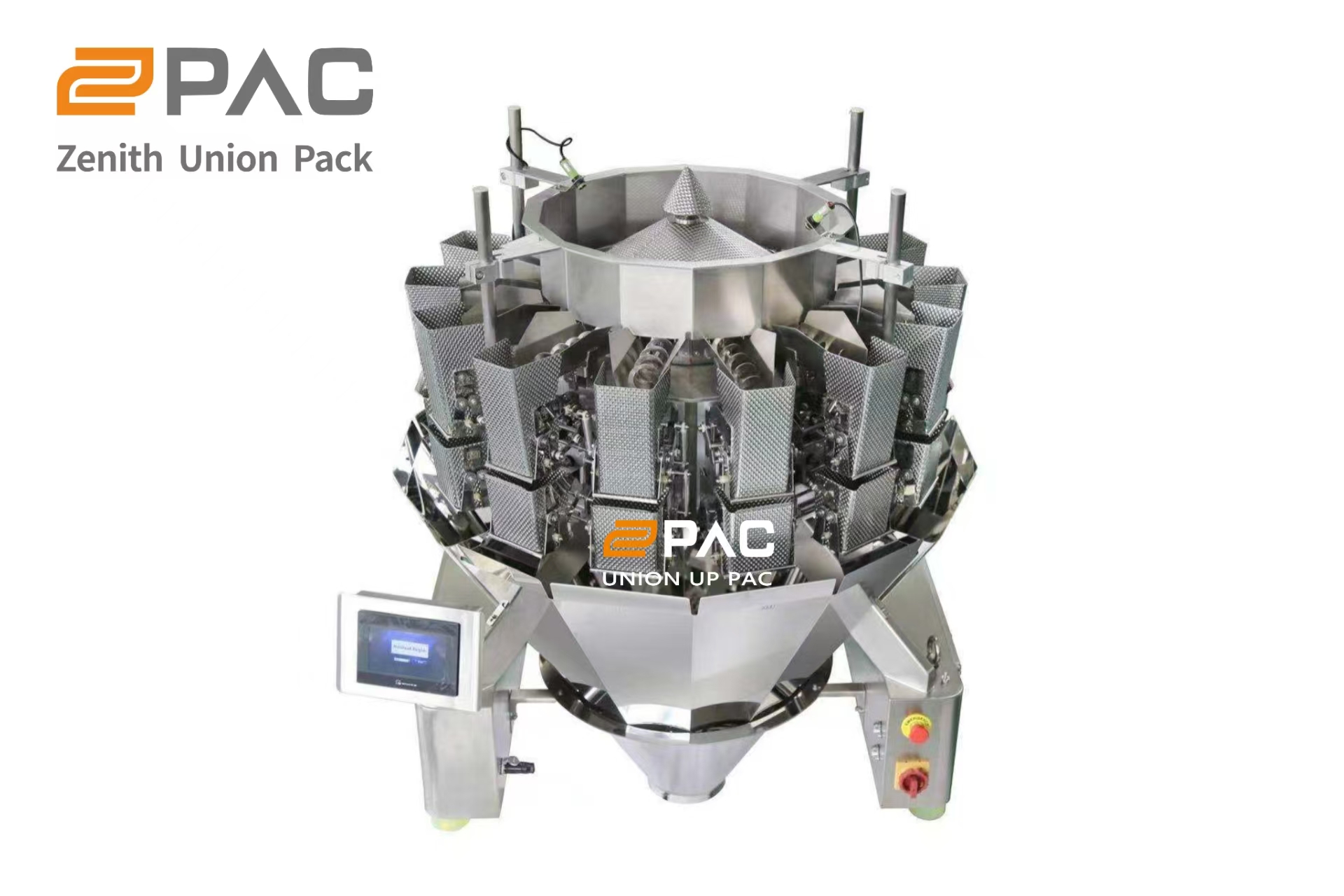
This design can help prevent certain products from sliding too quickly or sticking together during the weighing and feeding process.
Dimpled buckets are often suitable for products that are:
The textured surface can provide better control over material movement, helping maintain a more stable feeding process.
What Is a Smooth Surface Material Bucket?
A smooth surface bucket has a flat and polished inner surface. Its low-friction design allows products to move and discharge more easily.
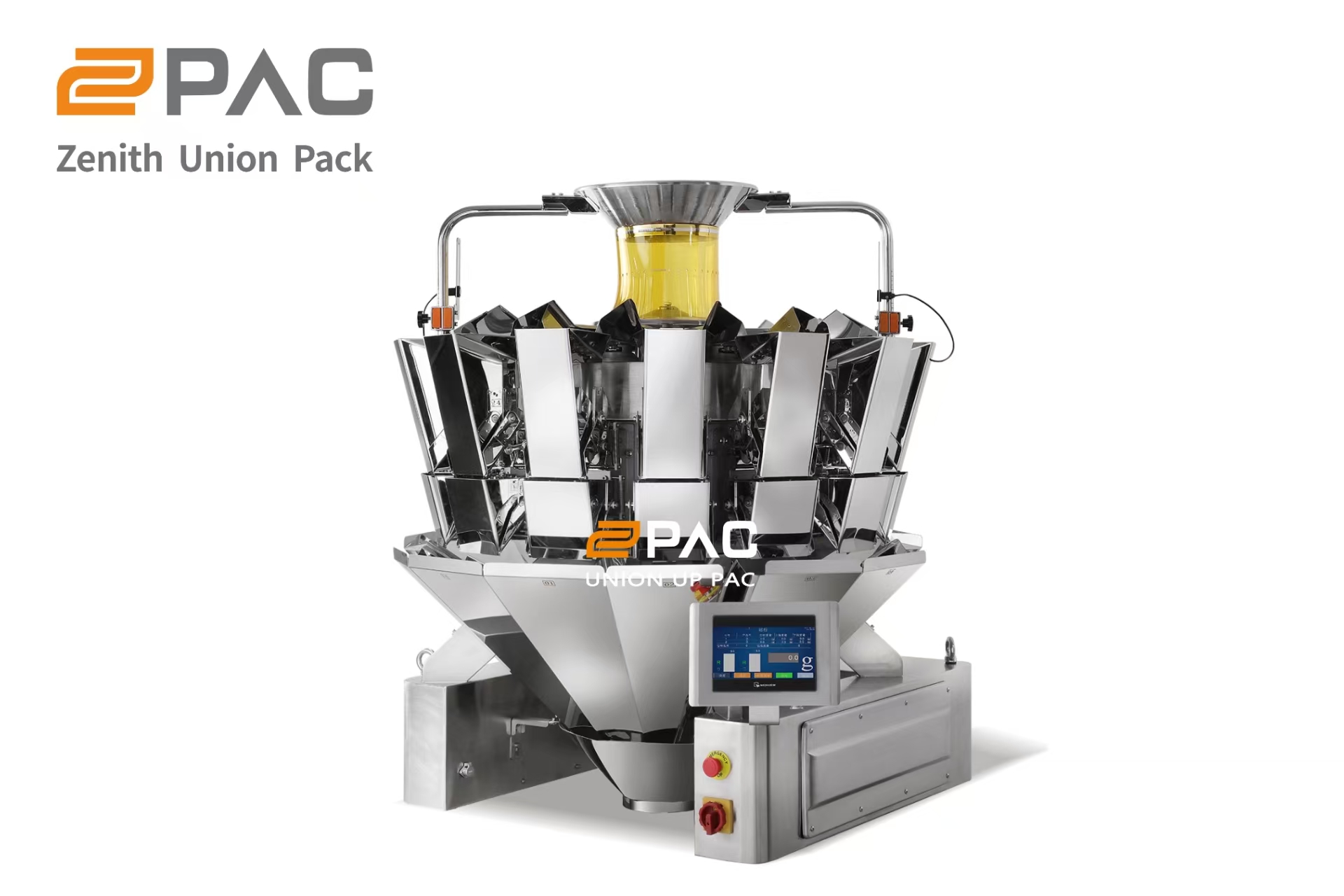
Smooth buckets are commonly used for free-flowing materials such as:
For these products, a smooth surface can reduce material retention and make the bucket easier to clean.
Dimpled vs. Smooth: Which One Should You Choose?
The key difference is material flow control.
Therefore, there is no universally better option. The right bucket depends on your product characteristics, moisture or oil content, flowability, cleaning requirements, and weighing speed.
Why Does Bucket Surface Matter in Automated Weighing?
In a multihead weighing and packaging system, every weighing bucket needs to receive, hold, and discharge the product consistently.
If the bucket surface does not match the product, it may lead to:
Choosing the appropriate bucket surface can therefore help improve the overall stability and efficiency of an automated weighing and packaging line.
Conclusion
When choosing between a dimpled and smooth surface material bucket, don't focus only on appearance. Consider how your product behaves inside the bucket.
The best choice depends on the specific characteristics of your product and production requirements.
If you are looking for a weighing and packaging solution for your product, selecting the right bucket configuration is an important part of achieving stable and efficient automated packaging.
The main difference is the level of friction on the bucket surface. Dimpled buckets provide more friction and material control, while smooth buckets allow products to slide and discharge more easily.
A dimpled surface can be a better choice for certain sticky or oily products because the textured surface can help control material movement. However, the final choice should depend on the specific product characteristics.
Yes. Smooth surface buckets are commonly suitable for free-flowing products such as grains, beans, seeds, nuts, and other dry granular materials because they allow easy discharge and help reduce material retention.
The bucket surface can indirectly affect weighing consistency. If material sticks to the bucket or does not discharge completely, material residue may affect the next weighing cycle and reduce overall weighing efficiency.
Consider your product's flowability, moisture or oil content, stickiness, particle size, discharge characteristics, cleaning requirements, and required production speed. Testing the product with different bucket configurations is recommended when necessary.
Address : No.1 Jinan Road, Shuangfeng Development Zone, Hefei City, Anhui Province, China
You may unsubscribe at any moment. For that purpose, please find our contact info in the legal notice.


 IPv6 network supported